by Lucas-Nülle

Learning system for drone training – from technical assembly to flight operations

With the four UAV platforms, trainees learn how a drone is assembled, wired, configured and controlled. They work with real components, test different drone types in simulation and diagnose faults systematically.

Mountable components

The Configurator for the Right Drone
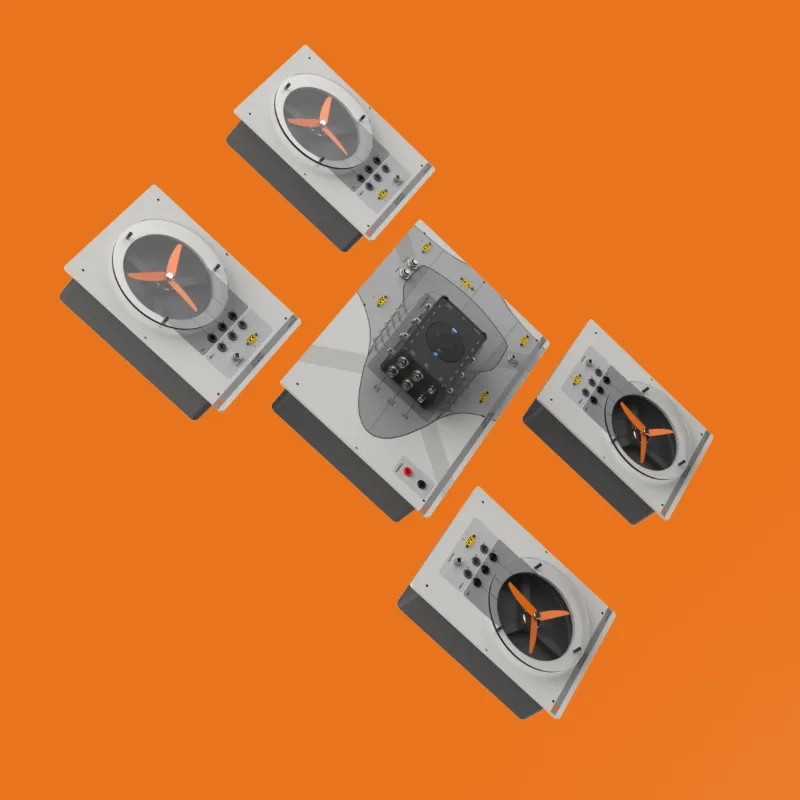
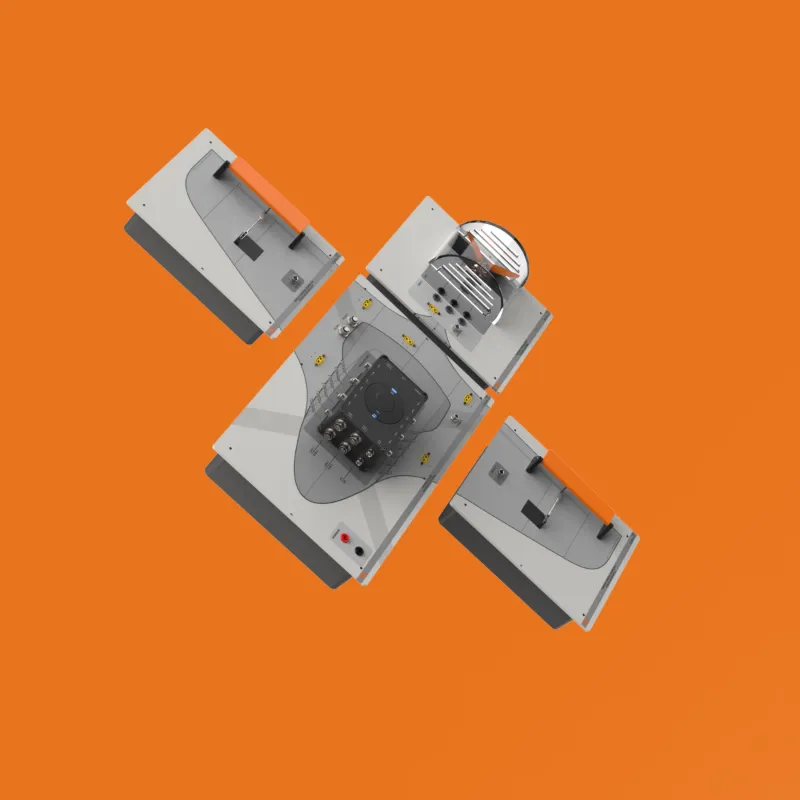
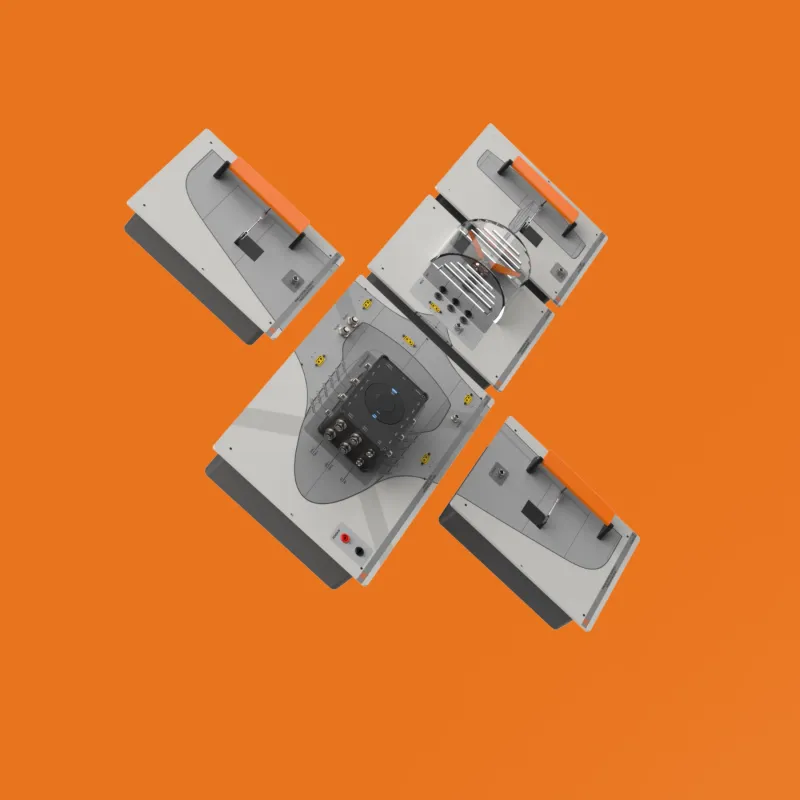
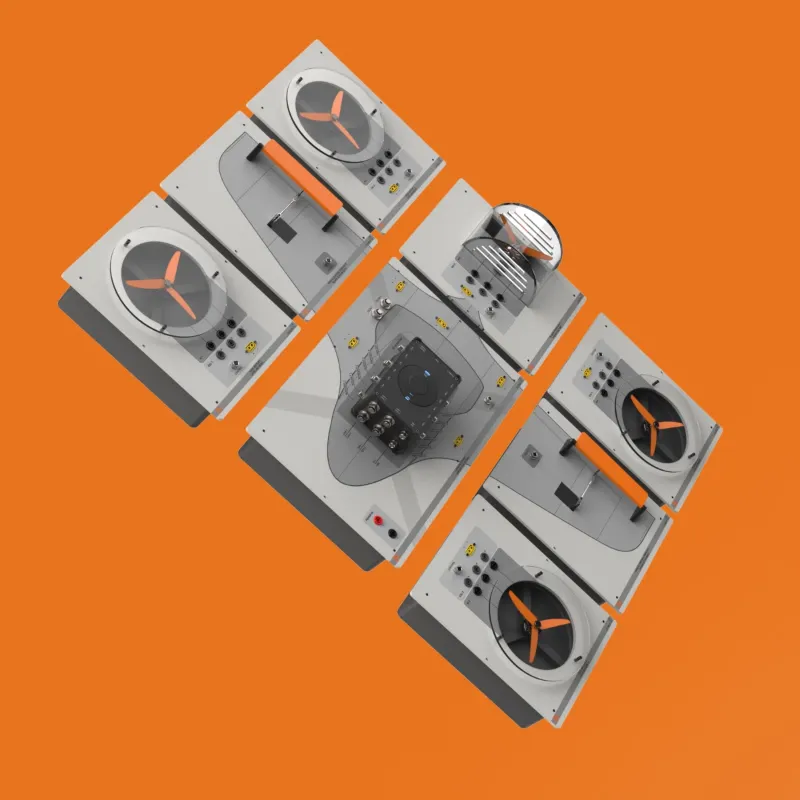
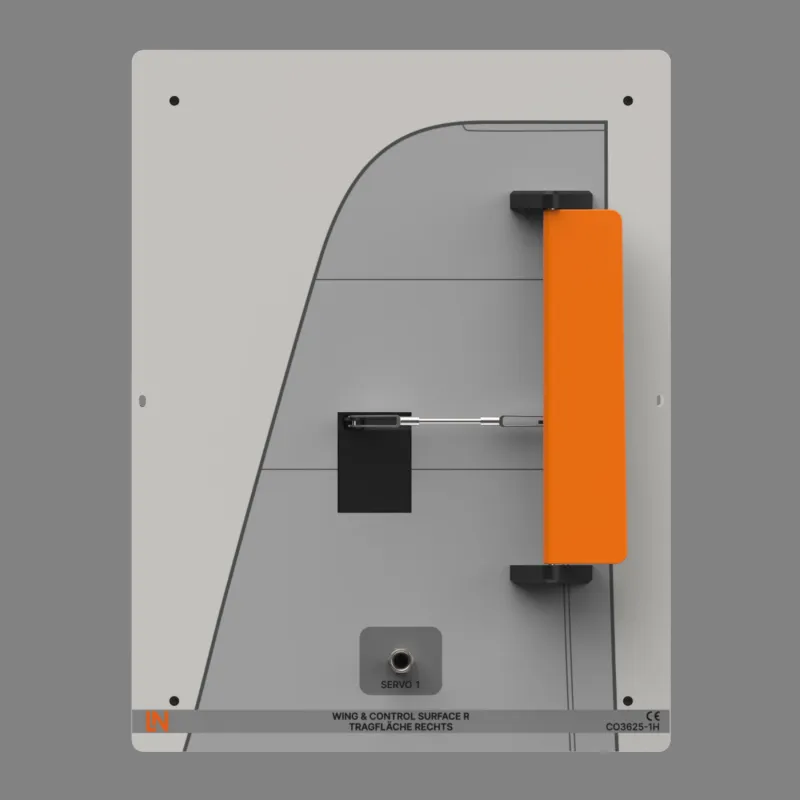
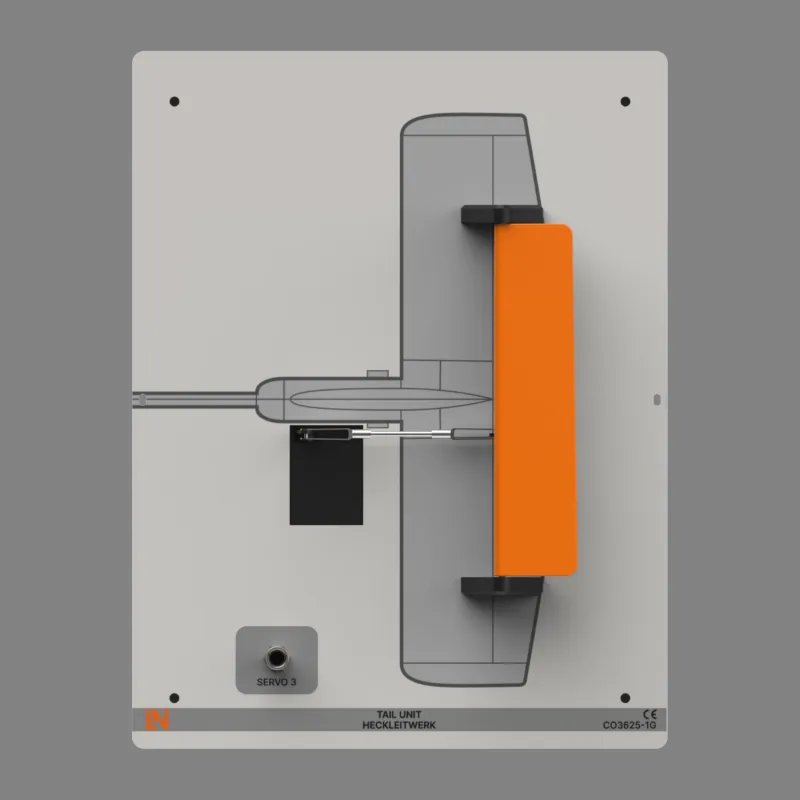
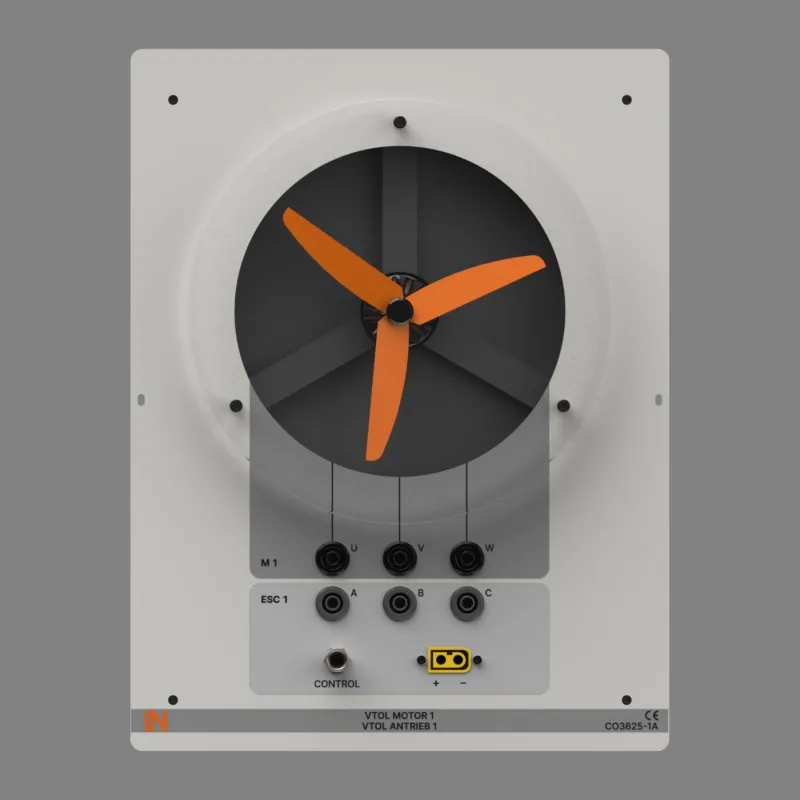
The learning system covers not only the electronic control and signal level but also the key flight-mechanical components of different drone types. Motors, rotors, thrust units, wings and tail units are built as independent modules and can be combined and arranged to match the respective flight platform.

This makes it possible to configure and compare the common drone types with their characteristic propulsion, lift and control concepts in a hands-on way. The modular architecture makes differences in design, function and flight behavior immediately understandable and lays the foundation for adding further components, variants and drone concepts in the future.
The Modules

The step into real operations is the riskiest gap in UAV training.

Theory and simulators alone fall short. The learning system closes the gap in four steps.

The system in action · 0:34
  1. 01Understand the tech
  2. 02Practice safely
  3. 03Experience it for real
  4. 04Apply it tactically

Our solution: Making UAV technology visible and understandable

System architecture

All key UAV components at a glance.

Remote Control ELRS / EdgeTX Flight Controller ArduPilot / IMU / GPS PC / GCS MAVLink Telemetry ESC + Motor Enclosed Actuators Sensors IMU / Baro / Compass RXLea Work Order + Docs Remote Control ELRS / EdgeTX PC / GCS MAVLink Telemetry Flight Controller ArduPilot / IMU / GPS ESC + Motor Enclosed Actuators Sensors IMU / Baro / Compass RXLea Work Order + Docs
System components

Everything required for setup, control and diagnostics.

Avionics
Cube Orange, ArduPilot, redundant IMU
Communication
ELRS, MAVLink, CAN, I2C, PWM, DShot
Actuators
BLDC, ESC, servos, enclosed rotors
Diagnostics
Multimeter, pre-arm checks, dataflash logs, firmware
Learning
RXLea projects and complete action-oriented learning
Request a UAV demo
Module 1 · Setup & configuration

Understand the tech, don’t just operate it.

On the training wall, trainees build the drone themselves, wire and calibrate it with ArduPilot and diagnose faults right on the system.

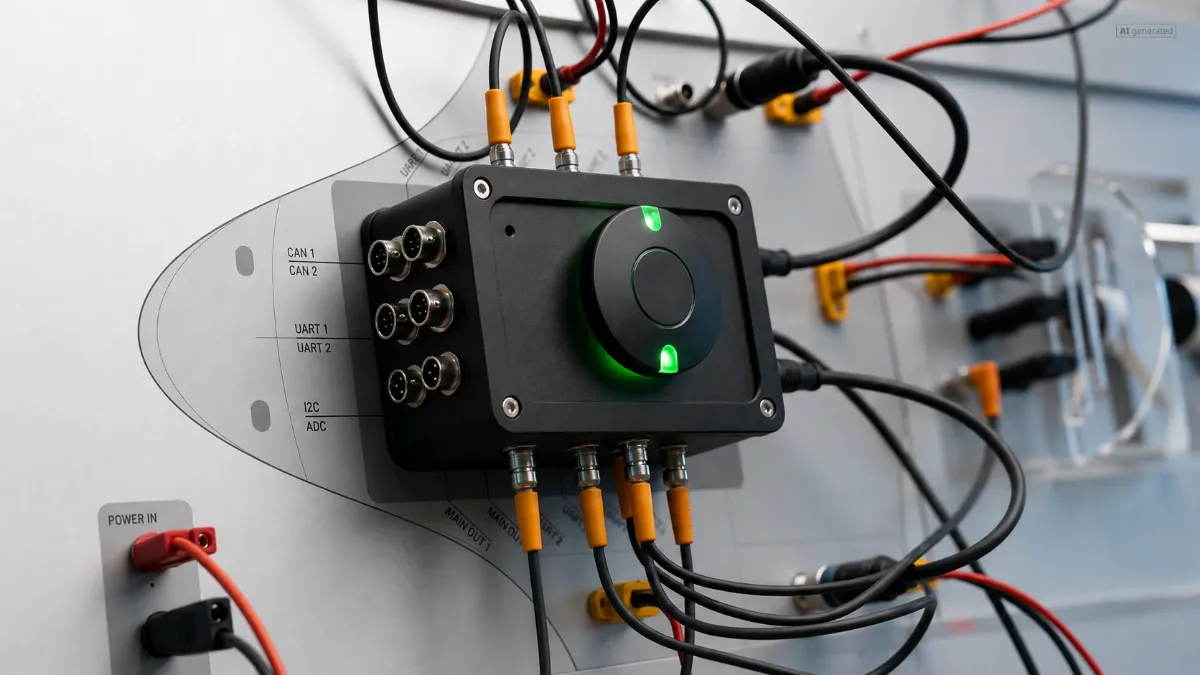
Flight controller with CAN, UART and I2C ports on the training wall
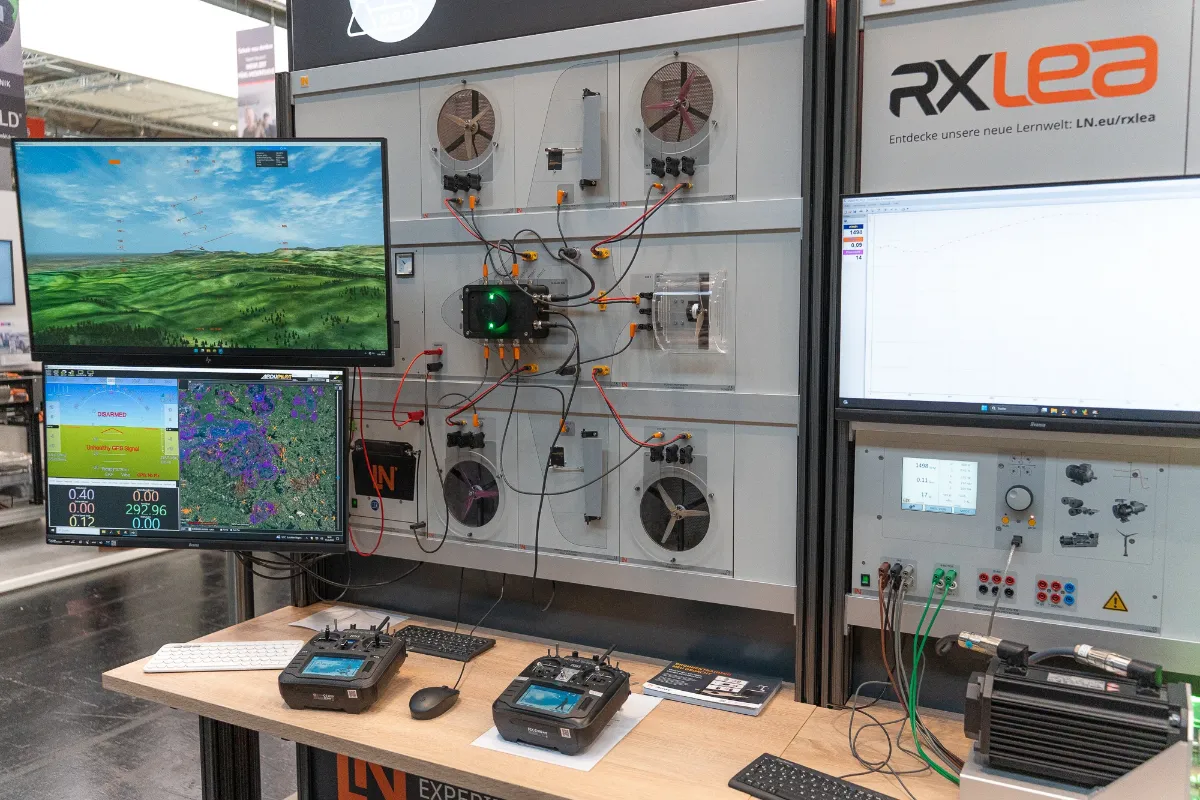
Training wall with flight simulator, mission planning and remote controls at the trade fair booth
Module 2 · Flight simulation

Practice flying with zero crash costs.

In the simulator, with the very drone trainees configured themselves – emergency maneuvers, wind, poor visibility, as often as needed.

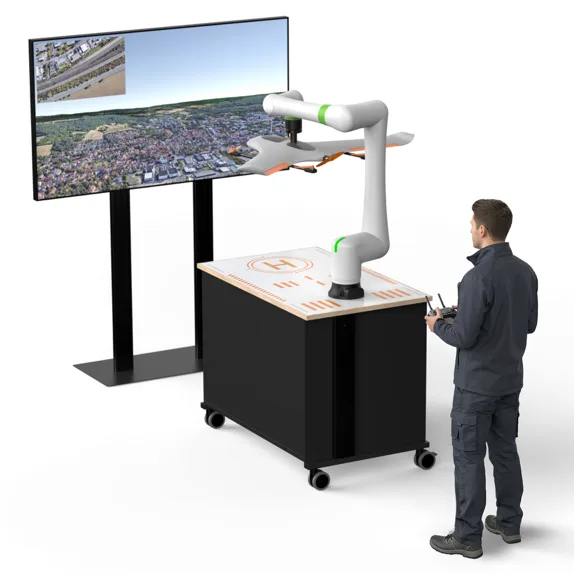
Module 3 · Robot-coupled flight

Real flight feel without free flight.

A robot arm turns every stick input of the real drone into real motion, synced to a digital map.

Drone on a robot arm
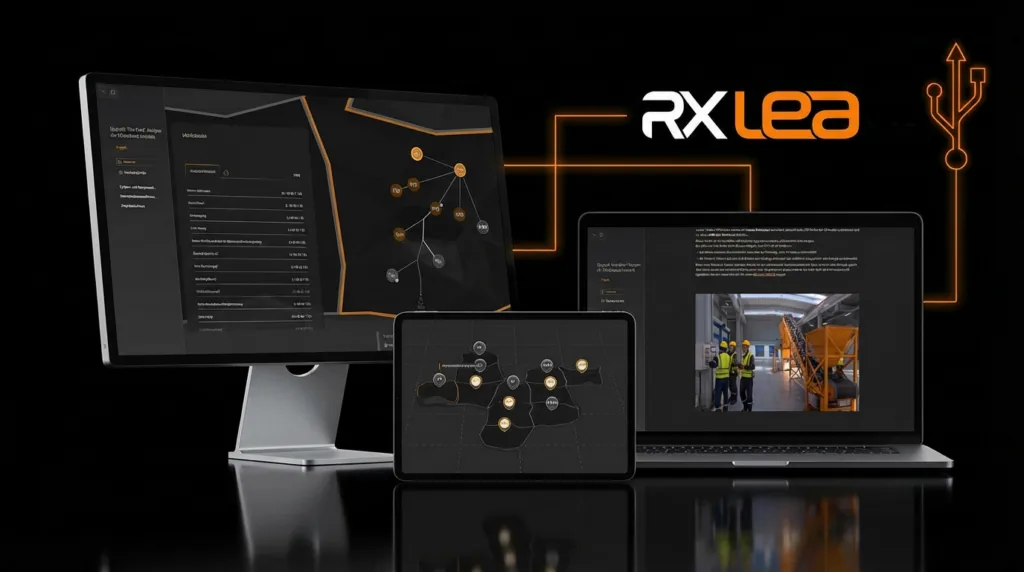
RXLea learning platform on monitor, tablet and laptop
Module 4 · RXLea

Digital learning that guides all the way.

RXLea connects directly to the flight controller – learning software and real hardware work together. Assignments guide every step, results are recorded.

Trainees become mission-ready UAV operators – with system know-how, flying routine and tactical overview.See all four modules live.

Request a UAV demo
The function modules

Complex Drone Technology, Experienced as a Modular Learning System

  • Function module: wing with control surfaceWing & control surface
  • Function module: tail unitTail unit
  • Function module: VTOL motorVTOL motor
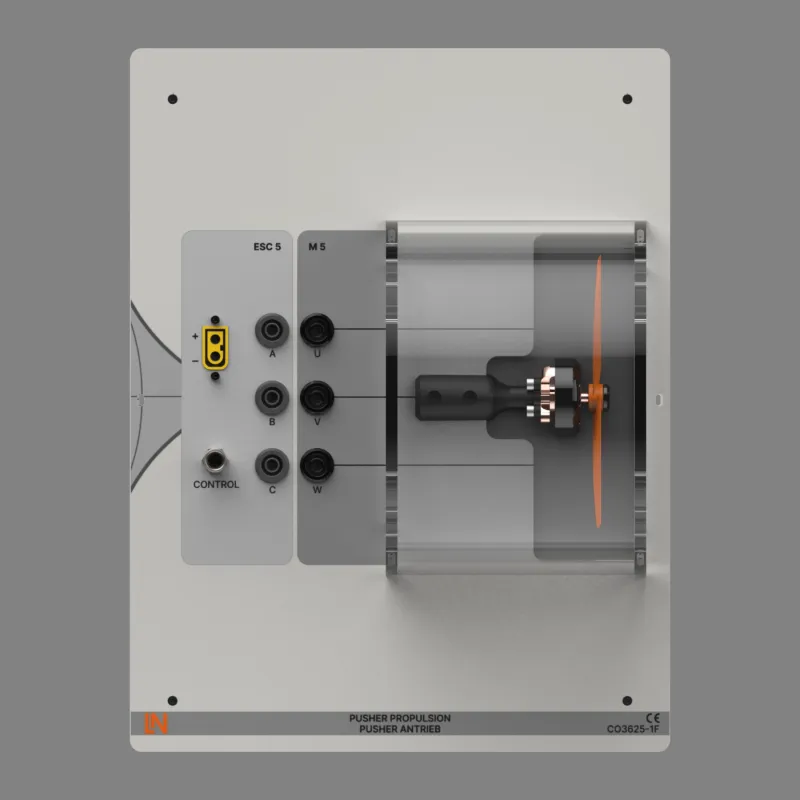
  • Function module: pusher propulsionPusher propulsion

A drone combines numerous technical components in a very small space. Flight controller, sensors, propulsion and other functional units, depending on the application, are networked via compact plug and solder connections and are only partly accessible in the real system. The aim of the development was therefore to fully understand this technical architecture first and then transfer it into a modular learning system.

The relevant components, wiring and signal chains are reproduced realistically, spatially separated and made accessible as interchangeable function modules. This lets learners understand how the individual systems interact, make and change connections, and practice typical tasks from commissioning, configuration, troubleshooting, maintenance and repair. Highly integrated drone technology thus becomes an editable, expandable learning platform that makes the technical logic of different drone types understandable and directly tangible.

Who it’s for

A Learning System for Professional Users

The Lucas-Nülle drone learning system has a flexible design and can cover different learning objectives, application scenarios and qualification levels. Modular function boards, real components and freely combinable learning units make it possible to teach both fundamental system relationships and more complex training content in a practical way.

This allows the platform to be expanded step by step and tailored to different target groups, drone types and fields of application. Applications in public safety, agriculture, the energy sector as well as inspection, surveillance and monitoring determine the selection and configuration of sensors, flight components and technical functions.

The Drone Classes

The Mission Determines
the Drone

Physics dictates: one system cannot simultaneously hover at maximum efficiency and cover maximum distance. Four platform categories — four physical realities.

Multicopter
01 — Multicopter

Precision & Control at Close Range

Pin-point positioning and hover flight at low altitudes — ideal for detailed inspection and situational awareness for security forces.

Flying Wing
02 — Flying Wing

Maximum Efficiency over Area

Superior aerodynamics for high cruise speeds — ideal for large-area mapping and corridor missions.

Fixed Wing Classic
03 — Fixed Wing Classic

Endurance & Stability

Weather-resistant platform for long distances — ideal for long-range surveillance and maritime or offshore operations.

Fixed Wing VTOL
04 — Fixed Wing VTOL

The Hybrid Solution for Complex Scenarios

Vertical take-off combined with efficient forward flight — ideal for critical infrastructure without dedicated runways.

See all four drone classes live.

Request a UAV demo
The demo

How your demo works

  1. 01

    Request

    Choose what you need and add your details.

  2. 02

    Personal call-back to schedule a date

    We call you back and agree on a date with you.

  3. 03

    Live presentation

    We demonstrate the system live and answer your questions.

See for yourself – we will show you the system live.

Request a UAV demo

Frequently asked questions

What is the UAV learning system?

The UAV learning system (Unmanned Aerial Vehicle) is a modular PanelTrain learning system for practical training in unmanned aviation technology. Learners set up UAV systems, configure sensors and actuators, commission flight controllers, perform fault diagnostics, and deepen their skills through realistic work assignments.

Which types of training is the system suitable for?

The learning system is particularly suitable for:

  • vocational schools
  • industrial training centers
  • universities and universities of applied sciences
  • government education and training projects

It supports the development of technical skills related to unmanned aircraft systems.

Does RXLea support the training?

Yes. RXLea complements the practical work with structured learning paths and digital learning content and supports topics such as diagnostic methods and preparatory theory in particular. Practical work on the training panel remains the central element of the learning process.

What skills do learners acquire?

The training covers skills including:

  • setup and wiring of UAV systems
  • sensor and flight controller configuration
  • calibration and commissioning
  • remote control and flight modes
  • fault diagnostics and maintenance
  • interpretation of measured values and log files
  • structured decision-making before a flight operation
How is the knowledge taught?

Learners work on practical assignments instead of isolated individual exercises. They systematically work through real-world tasks and develop technical skills based on the principles of Real Experience Learning.

Is the system also suitable for beginners?

Yes. The learning projects build on each other systematically and guide learners step by step from the fundamentals to more complex tasks such as diagnostics, parameterization, and troubleshooting.

Which industries benefit from the training?

The system is suitable for applications in areas including:

  • aerospace technology
  • defense and security technology
  • mechanical and plant engineering
  • IT and telecommunications
Which UAV components do participants learn about?

The training panel includes components such as:

  • flight controller
  • electronic speed controllers (ESC)
  • brushless motors
  • GPS/GNSS module
  • inertial measurement unit (IMU)
  • barometer
  • compass
  • telemetry
  • power supply and power distribution board
  • remote control receiver

All components are clearly arranged and accessible for measurements and diagnostic work.

Which UAV types can be covered?

The system supports four different UAV configurations:

  • quadcopter
  • fixed wing
  • flying wing
  • VTOL

This allows participants to learn about different flight concepts within a single learning system.